
All products on this site are carefully reviewed by our team of experts. We may earn a commission if you purchase through affiliate links, at no extra cost to you.
Hair fall is one of the most common concerns for men today, and finding effective solutions is key to maintaining confidence and a healthy appearance. Hair Fall Control for Men isn’t just about stopping hair from shedding—it’s about improving scalp health, strengthening strands, and preventing further thinning. Whether you’re in your twenties or forties, excessive hair loss can affect your self-esteem, social interactions, and overall style. In India alone, thousands of men search daily for ways to prevent hair fall, promote growth, and regain healthy hair.
This complete guide on Hair Fall Control for Men will cover:
- The main reasons why men experience hair fall
- Natural and medical methods to prevent hair loss
- Daily routines that boost hair growth
- Lifestyle habits that contribute to thinning hair
- Proven hair care strategies that really work
Let’s start by exploring the real causes behind male hair fall and what you can do to address them effectively.
What You’ll Learn in This Guide
- Understanding Hair Fall Control for Men – Causes, Symptoms, and Facts
- Hair Fall Control for Men – What Really Works
- 💪Natural & Practical Solutions for Hair Fall Control for Men
- 🌱 Lifestyle Mistakes That Kill Hair Growth – Hair Fall Control for Men
- 🩺 When Hair Fall Needs Medical Attention: Hair Fall Control for Men
- Effective Products for Hair Fall Control for Men
- How to Choose Safe Hair Products
- How Long Does It Take to See Results?
Understanding Hair Fall Control for Men – Causes, Symptoms, and Facts
Hair fall is very common in men and can happen due to genetics, hormones, lifestyle, and environment. You may notice a receding hairline, thinning at the crown, bald patches, or more hair falling during washing. Understanding the cause is the first step in controlling it.
🧬 Genetic Hair Loss (Androgenetic Alopecia)
Androgenetic Alopecia is a hereditary form of hair loss that depends on family history and age. Men whose fathers or grandfathers experienced baldness are more likely to have major hair thinning.
For men, hair loss typically begins at the temples and crown, gradually spreading to the top of the scalp. Women may notice subtle thinning along the hair part, while the hairline mostly remains unchanged.
⚖️ Hormone Imbalance
High levels of DHT (Dihydrotestosterone) shrink hair follicles and shorten the growth cycle, making hair fall faster than it grows. Hormonal changes from stress, illness, or medical conditions can further accelerate hair loss, affecting both men and women over time.
😰 Stress and Anxiety
Chronic stress pushes hair into the shedding phase, leading to noticeable thinning and slower regrowth. Major life events or prolonged anxiety can trigger sudden hair fall, making the scalp look less dense in a short period.
🥗 Poor Nutrition
Lack of essential nutrients like protein, iron, biotin, and vitamins D and B weakens hair follicles, causing brittle strands and slow growth. Men and women with nutrient deficiencies often experience uneven hair growth and increased shedding if their diet isn’t improved.
🛁 Excess Oil and Dandruff
Overactive oil glands can block hair follicles, while dandruff or fungal infections inflame the scalp and weaken roots. This leads to more shedding and makes it harder for hair to grow strong and healthy.
💇♂️ Improper Hair Care
Frequent use of harsh shampoos, heat styling tools, chemical dyes, or rough towel drying damages the hair shaft and makes strands prone to falling. Overwashing or repeated chemical treatments strip natural oils, leaving hair dry, brittle, and weaker.
🌍 Environmental Damage
Pollution, sun exposure, hard water, and dust weaken both scalp and hair shafts, contributing to gradual thinning over time. People exposed to harsh environmental conditions regularly may notice more hair fall and reduced hair strength.
Hair Fall Control for Men – What Really Works
There’s no quick fix for hair fall. Stopping it requires consistency, the right routine, proper nutrition, suitable treatments, and patience. Hair health is a long-term commitment, and small daily actions make a big difference.
The solution works on three levels:
- External Scalp Care: Gentle washing, mild shampoos, avoiding heat styling, harsh chemicals, and overuse of products to prevent damage and maintain healthy follicles.
- Internal Nutrition: Eating a balanced diet rich in protein, iron, biotin, and essential vitamins, along with staying hydrated, strengthens hair from the roots.
- Lifestyle Balance: Reducing stress, sleeping well, exercising regularly, and protecting hair from pollution, sun exposure, and harsh weather conditions improves overall hair resilience.
By addressing hair fall from all three angles, you can slow hair loss, strengthen hair strands, and promote natural growth over time. Remember, patience and persistence are key—results may take weeks to months, but following these steps consistently gives lasting benefits.
💪Natural & Practical Solutions for Hair Fall Control for Men
Step 1: Fix Your Hair Washing Routine
- How often to wash:
- Oily scalp → 3 times/week
- Dry scalp → 2 times/week
- Normal scalp → 2–3 times/week
- Use lukewarm water – hot water weakens roots.
- Massage gently – use fingertips, don’t scratch.
- Avoid daily shampooing – it strips natural oils needed for strong hair.
Step 2: Scalp Oil Therapy
Benefits: improves blood flow, nourishes follicles, controls dryness/dandruff, strengthens roots.
- Best method: apply oil at night, massage 10 mins, leave overnight, wash next day with mild shampoo.
- Frequency: 2–3 times/week
- Tip: warm oil works better in winter.
Oiling the hair the wrong way can reduce its benefits and even cause more hair fall. To get the best results, follow the correct method of oil application explained in our complete guide on how to use hair oil for hair growth. It covers the right quantity, massage technique, and ideal timing for better hair regrowth.
Once you understand the correct oiling technique, choosing the right hair oil becomes easier and more effective.
👉 Want to know the top onion oils for hair regrowth in India? We’ve ranked the best options in our complete hair oil guide.
Step 3: Diet Plan for Healthy Hair
- Eat more: eggs, milk, yogurt, cheese, nuts, seeds, carrots, spinach, kale, lentils, beans, fish (salmon, mackerel), chicken, coconut, sweet potatoes, berries, citrus fruits, avocado
- Reduce: junk food, sugar, excess caffeine, smoking, alcohol
- Drink at least 2–3 liters of water per day to keep your hair and scalp healthy.
Tip: A diet rich in protein, vitamins (A, B, D, E), and minerals (iron, zinc) combined with proper hydration can strengthen hair follicles, reduce shedding, and promote healthy growth over time.
Step 4: Stress Management Tips for Hair Fall Control in Men
Stress increases cortisol, damaging follicles.
- Sleep 7–8 hours
- Morning sunlight exposure
- Deep breathing exercises
- Daily walks
- Avoid phone before bed
Step 5: Home Remedies
- Onion juice: boosts blood circulation
- Aloe vera gel: soothes scalp, reduces inflammation
- Egg mask: protein nourishment
- Coconut + castor oil: strengthens hair shaft
🌱 Lifestyle Mistakes That Kill Hair Growth – Hair Fall Control for Men
Even with the best hair care routine, certain lifestyle habits can harm your hair and accelerate hair fall. Avoid these common mistakes:
- 💇♂️ Tight Hairstyles: Constant pulling or tying hair tightly can damage follicles and cause breakage.
- 🔥 Frequent Styling: Excessive blow-drying, straightening, or heat styling weakens hair shafts.
- 🧴 Chemical Shampoos: Harsh shampoos strip natural oils, leaving hair dry and fragile.
- 💊 Excess Protein Supplements: Too much protein powder can imbalance nutrition, affecting hair health.
- 💧 Dehydration: Not drinking enough water makes hair dry and brittle.
- 🥗 Skipping Meals: Poor nutrition starves hair follicles of essential vitamins and minerals.
- 🛌 Sleeping Late: Lack of proper sleep increases stress hormones, triggering hair fall.
💡 Pro Tip: Take care of your hair by staying hydrated, eating a balanced diet, avoiding tight hairstyles, and limiting heat styling.
🩺 When Hair Fall Needs Medical Attention: Hair Fall Control for Men
Sometimes, hair loss is not just about lifestyle or diet and requires professional care. See a dermatologist if you notice:
- ⚡ Sudden, unexplained hair fall
- 🟤 Bald patches or thinning spots
- ❗ Severe dandruff or scalp infections
- 😣 Persistent itching, irritation, or pain
- ⏳ No visible hair regrowth after six months
Early intervention can prevent further damage and help you choose the right medical treatments for long-term hair health.
Effective Products for Hair Fall Control for Men
Hair Growth Serums
1. WishCare Hair Growth Serum Concentrate
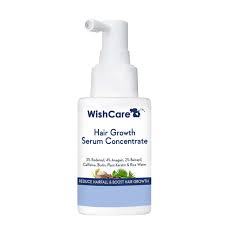
- Key Ingredients: 3% Redensyl, 4% Anagain, 2% Baicapil, Caffeine, Biotin, Rice Water
- Benefits: Reduces hair fall, promotes regrowth, strengthens follicles, improves hair texture
- Pros: Clinically tested, suitable for all hair types, lightweight formula, non-greasy
- Cons: Slightly higher price, results take consistent use over weeks
- Best For: Men experiencing early thinning, receding hairline, or general hair fall
💡 Pro Tip: Apply 5–6 drops on the scalp at night, massage for 5–10 mins, and leave overnight for best absorption.
If you’re still exploring options, read our in-depth guide on the Top 5 Best Hair Serums for Men in India to compare ingredients, pricing, and results.
For a detailed breakdown of one of the most talked-about options, check our complete WishCare Hair Serum review.
Hair Oils
1. WOW Onion Black Seed Hair Oil
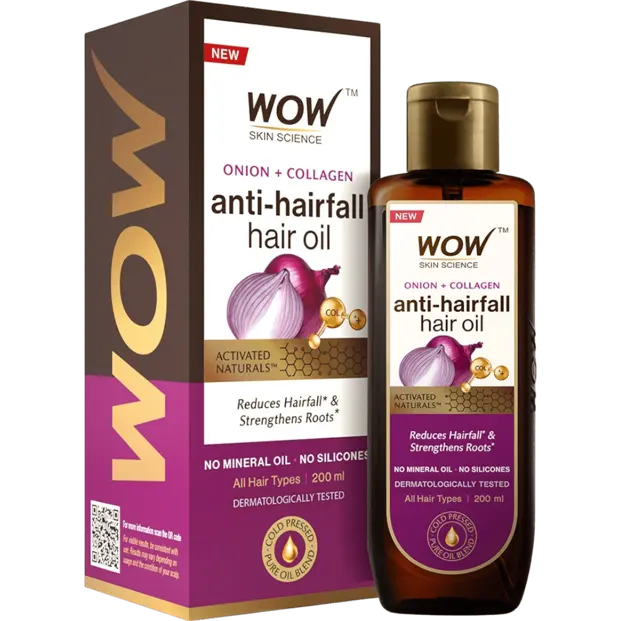
- Key Ingredients: Onion Oil, Black Seed Oil, Vitamin E
- Benefits: Strengthens follicles, reduces hair fall, nourishes scalp, controls dryness
- Pros: No mineral oil, no silicones, lightweight formula
- Cons: Strong smell of onion may not suit everyone
- Best For: Men dealing with hair thinning, breakage, or scalp dryness
💡 Pro Tip: Warm the oil slightly before application; massage into scalp 2–3 times a week for best results.
Hair Fall Shampoos
1. Mamaearth Onion Shampoo
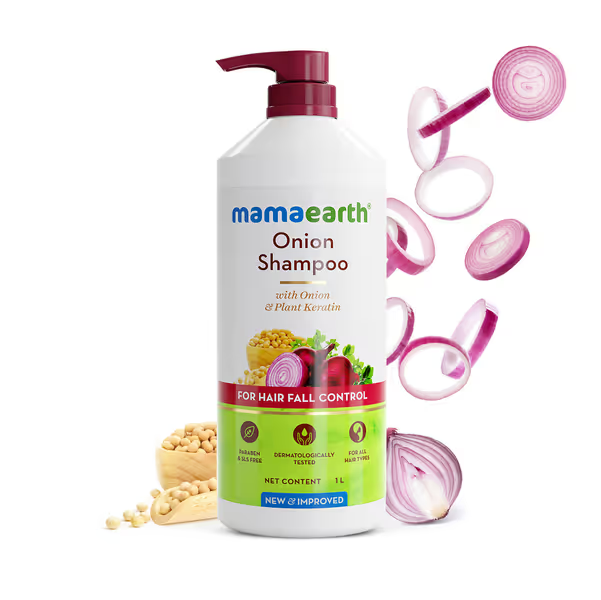
- Key Ingredients: Onion Extract, Plant Keratin
- Benefits: Reduces hair fall, strengthens strands, smoothens hair, suitable for daily use
- Pros: Sulphate & paraben-free, safe for sensitive scalp
- Cons: Slightly strong onion smell
- Best For: Men experiencing hair thinning or breakage
💡 Pro Tip: Pair with Mamaearth Onion Hair Oil for a complete hair fall control routine.
How to Choose Safe Hair Products
Choosing the right hair products is crucial for controlling hair fall and maintaining healthy hair. Not all shampoos, oils, and serums are safe, and using the wrong ones can worsen hair thinning or scalp irritation. Here’s what to keep in mind:
👉 Confused between serums and oils? Read our hair serum vs hair oil comparison guide to find what suits you best.
✅ Look for:
- No sulphates: Sulphates can strip natural oils from your scalp, leaving hair dry and brittle. Opt for mild, sulfate-free shampoos that cleanse without damaging hair.
- No parabens: Parabens are chemical preservatives that may disrupt hormone balance over time. Choose paraben-free products for safer long-term use.
- Herbal extracts: Ingredients like aloe vera, amla, hibiscus, and ginseng nourish hair, strengthen follicles, and reduce inflammation.
- Dermatologist-tested: Products tested by dermatologists are less likely to cause allergies or scalp irritation.
❌ Avoid:
- Heavy fragrances: Artificial fragrances can irritate the scalp and worsen hair fall in sensitive individuals.
- Alcohol-based tonics: Alcohol can dry out your scalp, weaken hair strands, and accelerate breakage.
- Cheap chemical oils: These may provide temporary shine but don’t strengthen hair and can clog follicles.
How Long Does It Take to See Results?
Hair growth is a gradual process, and patience is key. Depending on your routine and the products you use, results can vary:
- 2 weeks: You may notice reduced hair fall and less shedding while combing or washing.
- 1 month: Hair strands begin to feel thicker and stronger, with improved scalp health.
- 3 months: Visible regrowth may appear in areas of thinning hair. New hair may be finer initially.
- 6 months: Hair roots strengthen, and overall hair density improves noticeably. Consistent care ensures long-lasting results.
Frequently Asked Questions (FAQ)
Q1: Can hair fall be stopped permanently?
Yes, if the cause is related to nutrition, stress, or lifestyle habits, hair fall can often be reversed. Genetic baldness may require medical interventions.
Q2: Does oiling stop hair fall?
Oiling doesn’t stop hair fall directly but nourishes follicles, improves scalp circulation, and reduces breakage.
Q3: Does trimming reduce hair fall?
Trimming prevents split ends and breakage but doesn’t affect hair root loss. Regular trims maintain healthier hair appearance.
Q4: Will bald areas regrow?
If hair follicles are still active, regrowth is possible with proper care and medical support.
Q5: Does wearing caps cause baldness?
No, caps themselves don’t cause baldness, but constant friction may weaken hair over time.
Final Verdict: Hair Fall Control Is Possible
Hair loss isn’t always permanent. With a consistent hair care routine, healthy lifestyle, smart product choices, discipline, and medical guidance, you can regain control over your hair health. Focus on nourishing your scalp, strengthening roots, and addressing underlying causes to enjoy thicker, healthier hair in the long run.
Hair loss isn’t always permanent. With a consistent hair care routine, healthy lifestyle, smart product choices, discipline, and medical guidance, you can regain control over your hair health. Focus on nourishing your scalp, strengthening roots, and addressing underlying causes to enjoy thicker, healthier hair in the long run.
To maintain long-term hair health, follow the strategies outlined in our Men’s Hair Care Guide 2026.
For professional guidance, dermatologists recommend following dermatologist tips for hair fall control from the American Academy of Dermatology (AAD). These tips include adopting gentle hair care habits, avoiding harsh chemicals, and seeking medical advice for persistent hair fall. Regular check-ups can help identify underlying issues early and ensure that the most effective treatments are used, giving you better long-term results.